

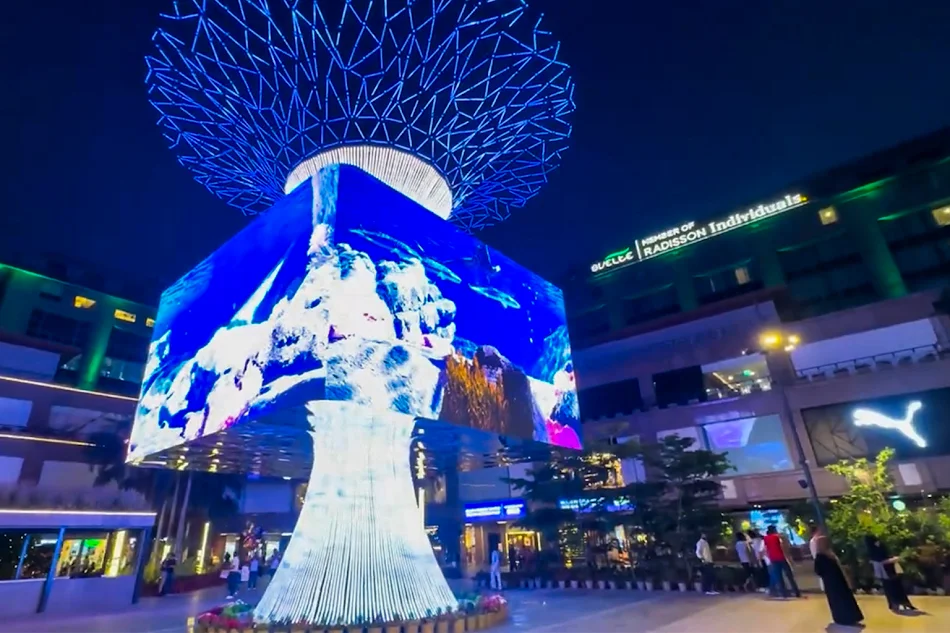
In today’s competitive marketplace, brands are constantly searching for innovative ways to capture audience attention and build stronger relationships with consumers. Traditional advertising alone is often no longer enough. Modern consumers prefer meaningful interactions with brands rather than simply viewing advertisements.
This shift has led to the rapid growth of experiential marketing and outdoor advertising, two strategies that allow brands to create memorable real-world connections with their audiences.
Experiential marketing focuses on creating immersive experiences where consumers can interact directly with a brand. Instead of passively watching an advertisement, customers become part of the campaign through live activities, interactive installations, product demonstrations, and engaging brand activations.
Marketing agencies and brand strategists increasingly recognize that experiential campaigns help build emotional connections with consumers, improving brand recall and long-term customer loyalty.
The Growing Importance of Experiential Marketing
Experiential marketing is designed to bring brands closer to people by creating engaging and memorable experiences. When customers can see, feel, or interact with a product or service in real life, they are far more likely to remember the brand and share the experience with others.
Many brands are now integrating experiential marketing into their overall strategy through campaigns such as:
- Brand activation events
- Product demonstrations
- Mall and retail promotions
- Interactive pop-up installations
- On-ground engagement campaigns
These initiatives allow companies to communicate their brand message in a more engaging and impactful way.
Agencies such as Experiential TRZY work with brands to design and execute such campaigns, combining creative ideas with on-ground execution to create memorable marketing experiences.
Outdoor Advertising Still Plays a Powerful Role
While digital marketing continues to grow, outdoor advertising (OOH) remains one of the most effective ways to reach large audiences. Billboards, transit advertising, digital LED screens, and public installations ensure strong brand visibility in high-traffic locations.
Outdoor advertising is particularly effective when combined with experiential campaigns. For example, interactive brand activations placed in busy public spaces can attract attention while encouraging people to engage directly with a brand.
This combination of visibility and interaction helps brands create stronger impressions on consumers.
Brand Activation and Consumer Engagement
Brand activation has become an essential component of modern marketing strategies. Through activation campaigns, brands can interact directly with customers in environments such as shopping malls, retail stores, corporate campuses, and public events.
These campaigns often include:
- Live demonstrations
- Promotional roadshows
- Sampling campaigns
- Interactive experiences
- Customer engagement activities
When executed effectively, brand activations can significantly improve brand awareness and encourage direct consumer participation.
Product Launches and Pop-Up Experiences
Product launches are another area where experiential marketing plays a crucial role. Instead of traditional launch announcements, brands are increasingly hosting interactive launch events that generate excitement and media attention.
Pop-up experiences have also become a popular marketing format. Temporary installations in high-footfall locations allow brands to create unique interactions with consumers while generating organic social media exposure.
These creative campaigns often leave lasting impressions and encourage word-of-mouth promotion.
Technology Is Enhancing Marketing Experiences
Advancements in technology are also transforming experiential marketing. Many campaigns now integrate digital tools such as:
- Interactive LED displays
- Augmented reality (AR) experiences
- Virtual reality (VR) activations
- AI-powered engagement tools
- Holographic brand installations
These technologies help brands create immersive environments that attract attention and deliver more engaging customer experiences.
The Future of Experiential and Outdoor Marketing
As consumer expectations continue to evolve, brands are expected to invest more in marketing strategies that prioritize real engagement. Experiential marketing and outdoor advertising together create opportunities for brands to reach audiences in meaningful ways while standing out in crowded markets.
By combining creativity, technology, and real-world interaction, these marketing approaches are helping brands build stronger connections with their audiences and create memorable brand experiences.